
Oud costs what it does because of scarcity, not marketing. Only a small share of Aquilaria trees ever produce resin dense enough to harvest, and finding, extracting and ageing that resin takes years rather than days. Add specialist distillation and blending on top, and the price reflects genuine rarity, not a premium label attached to an ordinary material.
What Actually Drives the Price
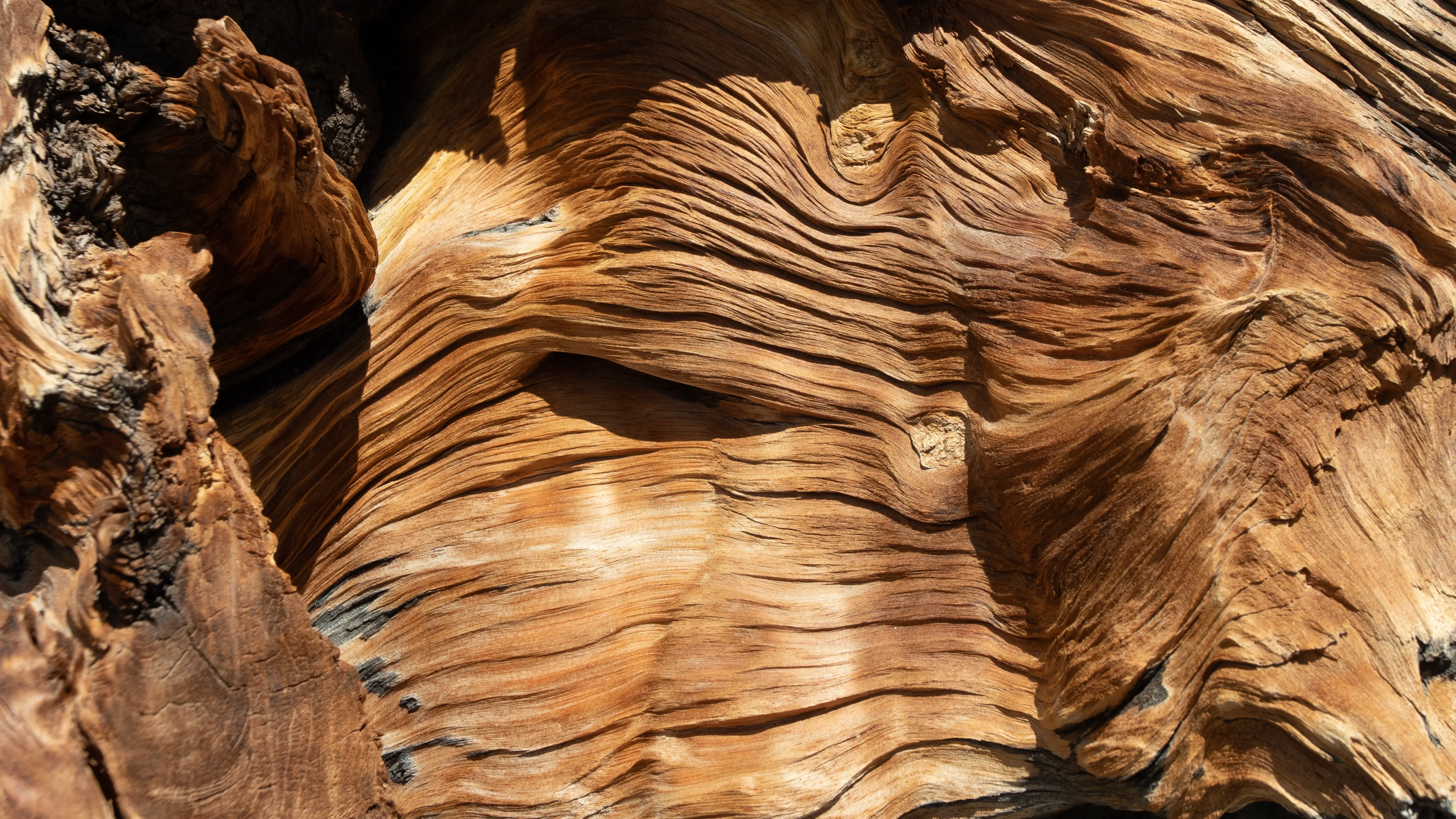
Most ingredients in perfumery are renewable on a predictable schedule. A rose harvest happens every year. A citrus grove produces on a known cycle. Oud does not work this way. It forms only when an Aquilaria tree is wounded or infected by a particular mould, and even then, most trees never develop resin dense enough to be commercially useful. A perfumer cannot simply plant more trees and expect a bigger harvest next season. The wood has to be found, tested and, in many cases, waited on for years before it is ready.
This unpredictability is baked into the cost from the very start. Buyers are not paying for a crop. They are paying for the outcome of a slow, uncertain natural process that cannot be rushed or guaranteed.
The Scarcity Problem Is Not Just Commercial
Wild Aquilaria populations have come under real pressure from demand, which is why international trade in the genus is regulated rather than left to the open market. This is one of the reasons responsible sourcing has become such a central conversation in the category. Organisations such as the British Society of Perfumers bring perfumers together to discuss exactly these industry pressures, from raw material sourcing to the craft standards that separate a well-made oud from a poorly handled one.
Cultivated Aquilaria plantations have eased some of this pressure over the past two decades, but cultivation does not remove the core problem. Trees still need years to develop usable resin, and even farmed wood varies enormously in quality from one tree to the next.
Wild Versus Cultivated: Why the Distinction Matters
Not all oud comes from the same source, and the difference affects both quality and price. Wild-harvested agarwood, taken from trees that resinified naturally over decades in the forest, is the rarest and most expensive category. Cultivated Aquilaria, grown on managed plantations and often inoculated to encourage resin production faster than nature would alone, has made oud considerably more accessible without eliminating the underlying scarcity. A tree still has to be old enough, and the resin still has to develop sufficiently, before the wood is worth harvesting at all.
This is part of why two bottles both labelled oud can sit at very different price points and still both be genuine. The wood behind them is simply not equivalent, and neither is the time investment required to produce it.
Craft Adds Its Own Cost on Top of Scarcity
Even once the resinous wood is secured, turning it into a wearable fragrance is not simple. Traditional distillation of oud oil can take days per batch, and the yield from a large quantity of wood is often small. Blending that oil into a finished fragrance, whether an oil-based product or an alcohol-based one, requires a perfumer who understands how to let oud's complexity come through without overwhelming the rest of the composition.
This is a material that punishes shortcuts. Rushed distillation produces a flatter, less interesting oil. Careless blending produces something harsh rather than rich. The time this takes is reflected in the finished price just as much as the scarcity of the raw wood.
Why Modern Oud Perfume Does Not Have to Feel Out of Reach
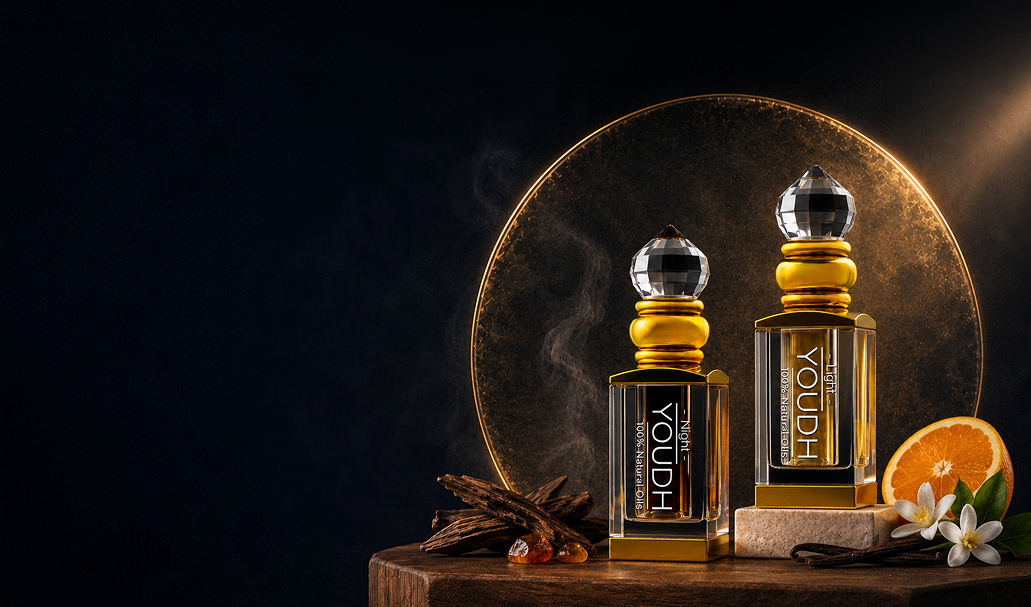
None of this means every oud fragrance needs to carry an eye-watering price tag. Smart sourcing, smaller-batch UK blending and a focus on natural, well-handled materials can bring the cost of YOUDH's oud perfume down to something closer to accessible luxury, without pretending the underlying material is anything other than genuinely rare.
Understanding why oud is priced the way it is also helps buyers spot the difference between a fair price for a well-sourced, well-made fragrance and an inflated one riding on the word oud alone.
The Perfumer's Skill Is Part of What You Are Paying For
It is easy to focus purely on raw material cost and forget that a perfumer's judgement is itself a scarce resource. Oud behaves differently from most other materials used in fragrance. It shifts in character depending on age, origin and processing, which means no two batches behave identically. A perfumer working with oud has to adjust the surrounding composition each time to keep the final result balanced, rather than following a fixed formula. That level of hands-on adaptation takes years of experience to develop, and it is one more reason a well-composed oud fragrance costs more than a mass-produced scent built around consistent, predictable synthetic materials.
How to Judge Whether an Oud Perfume Is Fairly Priced
Not every expensive bottle deserves its price tag, and not every affordable one is a compromise. A few practical questions help separate genuine value from inflated branding. Does the seller say anything specific about where the wood or oil comes from, or is sourcing left vague? Is the product natural oud, a synthetic reconstruction, or a blend of both, and is that distinction stated clearly rather than implied? Has the brand explained how the fragrance is produced, or does the listing rely purely on words like rare and exclusive without backing them up?
A fragrance that answers these questions openly is far more likely to be pricing its oud honestly than one that leans entirely on mystique. Vague language is often a sign that there is little of substance behind the price, whereas specific, checkable claims tend to accompany products that can actually stand behind their sourcing.
What This Means for Buyers
Next time a bottle of oud perfume looks expensive next to a mainstream fragrance, the price is rarely arbitrary. It reflects a material that cannot be farmed on demand, a supply chain that has to account for real conservation pressure, and a production process that rewards patience over speed. Knowing that context makes it easier to judge whether a particular oud is fairly priced or simply trading on the name, and it turns a purchase that might otherwise feel intimidating into one that feels informed.